Technical Guides
2 min read
2/28/2026
Bridge Expansion Joint Inspection: A Practical Field Guide for Bridge Inspectors
By Engineering Team
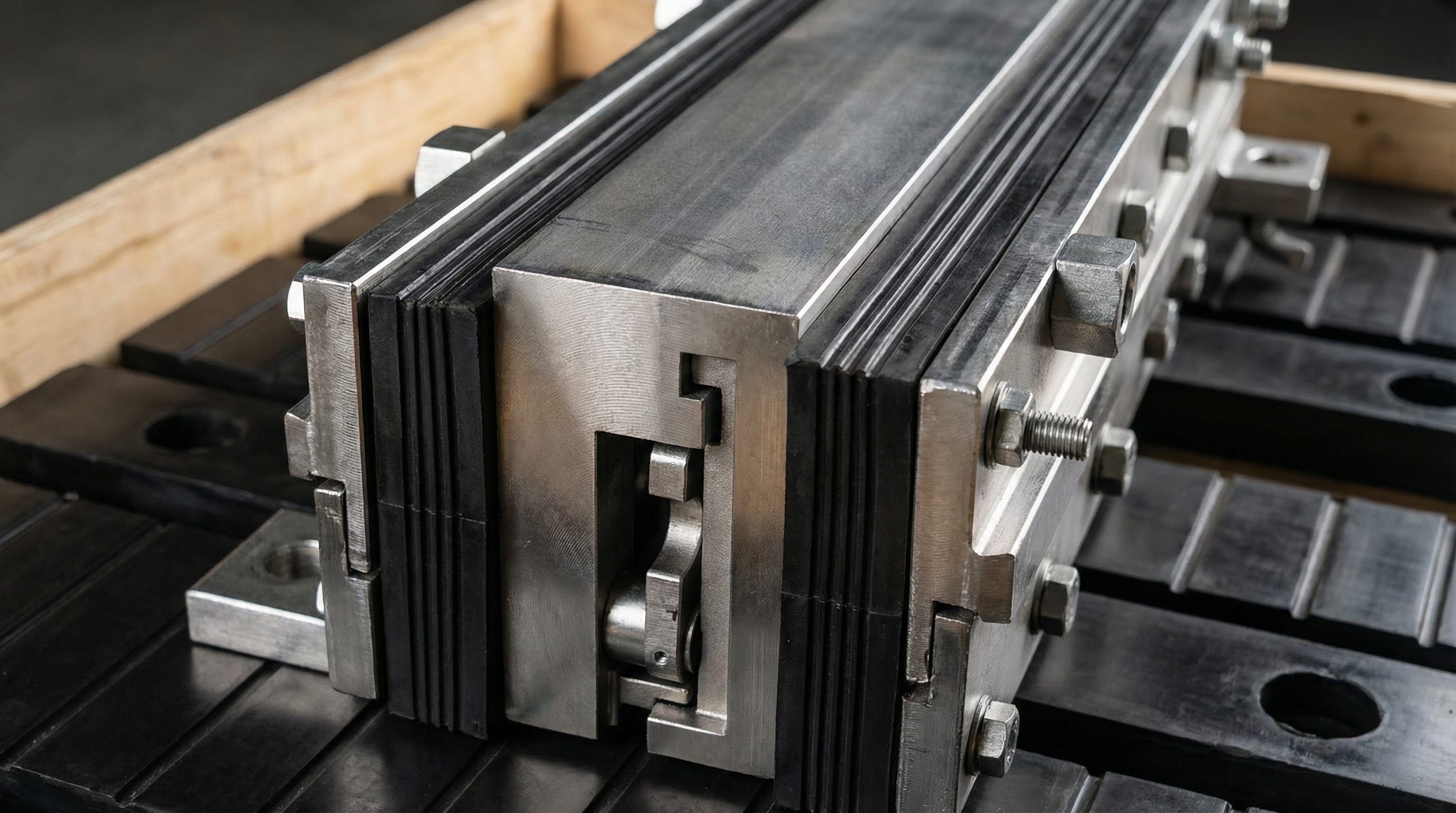
Bridge expansion joint inspection requires systematic observation and documentation. This field guide helps inspectors identify defects and assign accurate condition ratings.
Safety Precautions: Traffic control required for all joint inspections. Wear high-visibility clothing and hard hat. Use appropriate fall protection for elevated joints. Never enter drainage chambers without confined space permit.
Inspection Sequence:
1. General Condition Assessment: Observe joint from traffic lane (if safe) and from below. Note overall condition, visible damage, and water staining on structure below.
2. Seal Inspection: Check for cracks, tears, or missing sections; displacement from seat; hardening or loss of elasticity; debris accumulation; evidence of water leakage.
3. Steel Component Inspection: Check for corrosion (surface rust vs. section loss); cracks in welds or base metal; loose or missing bolts; deformation or impact damage; wear on sliding surfaces.
4. Concrete Edge Beam Inspection: Check for spalling or delamination; cracks (transverse, longitudinal, diagonal); exposed reinforcement; impact damage; settlement or differential movement.
5. Gap Measurement: Measure actual gap width and compare with design gap at current temperature. Record temperature at time of measurement.
Condition Rating Scale: 9 = Excellent (new condition). 7 = Good (minor wear, no defects). 5 = Fair (moderate defects, monitor). 3 = Poor (significant defects, repair needed). 1 = Critical (immediate action required).