Technical Guides
2 min read
2/28/2026
Corrosion Protection for Steel Bridge Expansion Joints: Hot-Dip Galvanizing vs Thermal Spray
By Engineering Team
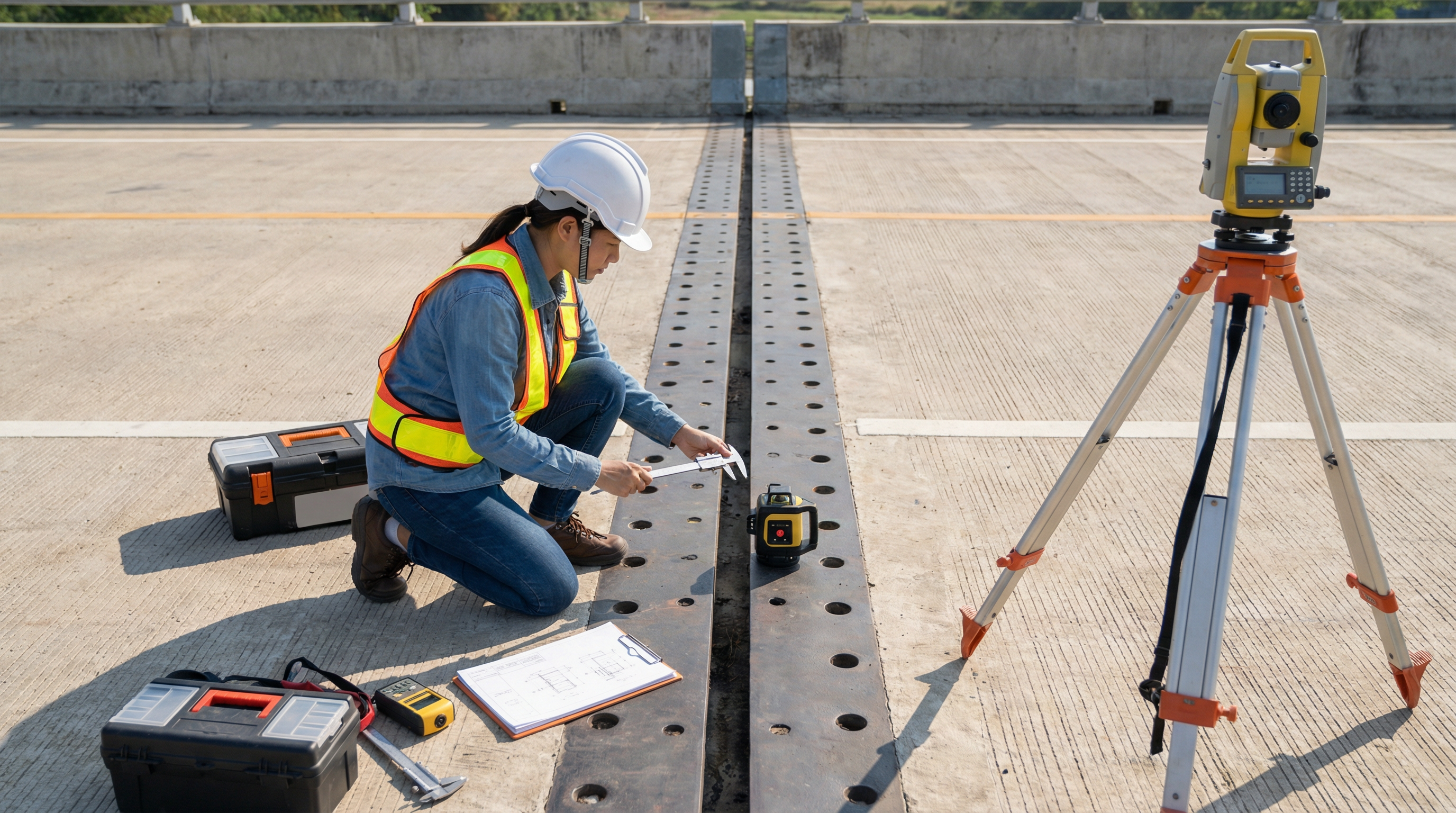
Steel expansion joints in bridge environments face severe corrosion risk from deicing salts, moisture, and pollutants.
Corrosion Categories per ISO 12944: C3 is Medium (urban/industrial atmosphere). C4 is High (industrial areas, coastal). C5 is Very high (offshore, aggressive industrial). Most bridge expansion joints fall in C4-C5 category due to direct exposure to road drainage and deicing salts.
Hot-Dip Galvanizing (HDG): Zinc coating thickness 85-100 um. Expected life in C4: 25-30 years. Advantages: Uniform coverage, self-healing at cut edges, economical. Limitations: Maximum component size limited by bath dimensions.
Thermal Spray Zinc (TSZ): Zinc coating thickness 100-200 um. Expected life in C4: 30-40 years. Advantages: No size limitation, suitable for all steel grades, can be applied on-site. Limitations: Higher cost, requires skilled application.
Duplex System (HDG + Epoxy): Expected life in C5: 40-50 years. Best for aggressive environments (coastal, industrial). Recommended for modular joints in C5 environments.
Our standard specification: hot-dip galvanized per EN ISO 1461 + two-coat epoxy system for C4 environments.