Technical Guides
2 min read
2/28/2026
Expansion Joint Waterproofing Membranes: Integration with Bridge Deck Systems
By Engineering Team
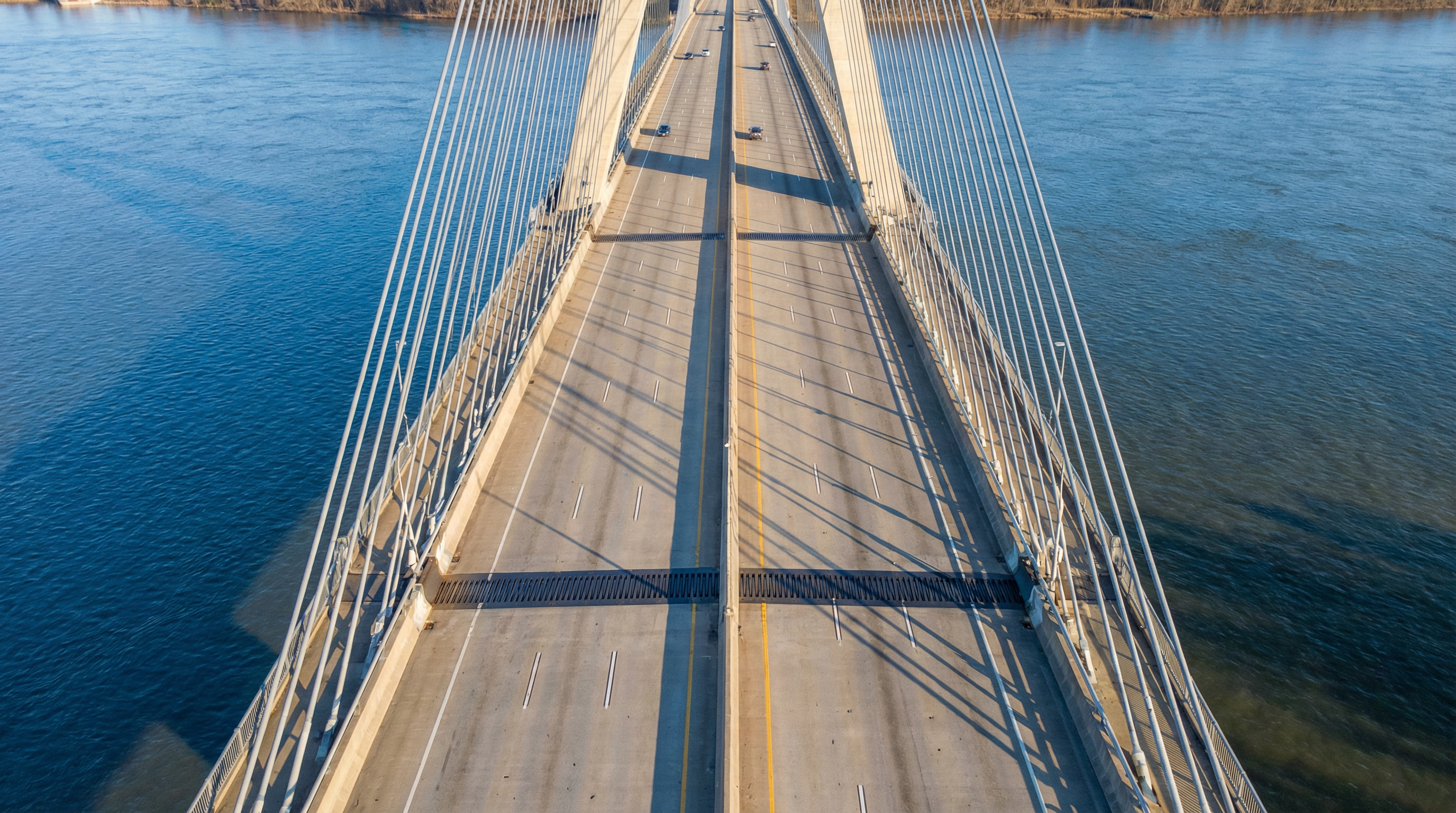
The interface between the expansion joint and bridge deck waterproofing membrane is a critical detail that is frequently overlooked, leading to water ingress and premature deterioration.
The Waterproofing Challenge: Bridge deck waterproofing membranes provide continuous protection across the deck surface. At expansion joints, this continuity is interrupted. The transition detail must accommodate joint movement without tearing, maintain waterproof continuity, bond to both joint and deck membrane, and resist traffic loading.
Transition Detail Types:
Type 1 - Membrane Termination at Joint Edge: Membrane terminates at edge of joint recess. Joint provides its own waterproofing. Requires properly designed joint drainage with no reliance on deck membrane continuity. Suitable for modular joints with integrated drainage trough.
Type 2 - Flexible Membrane Transition: Special flexible membrane bridges joint-deck interface. Membrane accommodates joint movement. Bonded to both joint edge beam and deck membrane. Suitable for strip seal and rubber joints with moderate movement.
Type 3 - Liquid-Applied Membrane: Liquid-applied polyurethane or epoxy membrane applied across joint-deck interface. Accommodates movement through membrane flexibility. Suitable for low-movement joints (asphalt plug, elastomeric pad).
Material Compatibility: Ensure compatibility between joint seal material, deck membrane material, transition membrane, and adhesives/primers. Incompatible materials can cause delamination or chemical degradation.
Quality Control: Waterproofing transition details must be inspected before asphalt overlay placement. Water ponding test (30 minutes, 50mm depth) required at each joint location.